
 So generally infantile are trailers in their desperate splurge of what distributors feel are the best moments of a film and so rife are they with conspicuous plot spoilers that I’m sold to any film that uses its minute-long advertising spot to give nothing away about what it might be about, what happens in it or even what genre it might be conveniently placed into.
See I hate trailers. I never post them. But this one is perfect.
Having watched Stoker, I remain somewhat unable to pigeonhole it. Psychological thriller? Dramatic horror? However best to comfortably describe it, the film holds up as one of the most affecting I’ve seen for many months.
 Mia Waikowska plays India, an introverted teenager on the cusp of adulthood whose father has recently died in a car crash. Acutely aware of everything her 5 senses deliver and inherently suspicious of everybody around her, India lives with her troubled mother Evelyn (Nicole Kidman) in their isolated family home. When India’s estranged Uncle Charlie (Matthew Goode) introduces himself, she finds herself repelled and captivated in equal measure by her new relation as he aids her transition into adulthood.
Stoker is beautifully made, with a directorial touch as delicate as the central character’s super-tuned senses. The care taken in framing each subject is absolutely sublime and the pinpoint symbolism (keys, shoes, locked drawers, trees) is better than Hitchcockian.
Sound design is also very careful and close. Slow egg cracking, squeaking wine glasses and the amalgamation of a digging-spade with heavily played piano keys are about as good as it gets for a micro-sound junkie.
 The trio of actors at the heart of the drama play their dysfunctional family with minimal… minimal drama actually, which really suits the piece because under each ice-cold exterior, you can see everyone is boiling. Uncle Charlie has a simmering malevolence, Evelyn is bubbling with grief and jealousy and India is brewing the potential of adulthood, never betraying quite in which direction she is blossoming until the final act.
I suppose you always realise a good film by how necessary everything you see and hear is to the effect it produces. Mysterious gestures, fastidiously-designed montages and complicated sound processes can all seem very gimmicky when used as a smokescreen to deceive audiences by glossing over a film’s shortcomings. But in a film such as this, where every carefully realised element is integral to its nature, the effect is simply stunning.
Maybe I’ve just had too many underwhelming experiences in the cinema of late but when a film completely traverses the alienation of a huge silver screen, beguiles you into its odd little world and then horrifies your sensibilities to the point where it still cloys at your mind 10 days after seeing it – well, that’s something to celebrate.


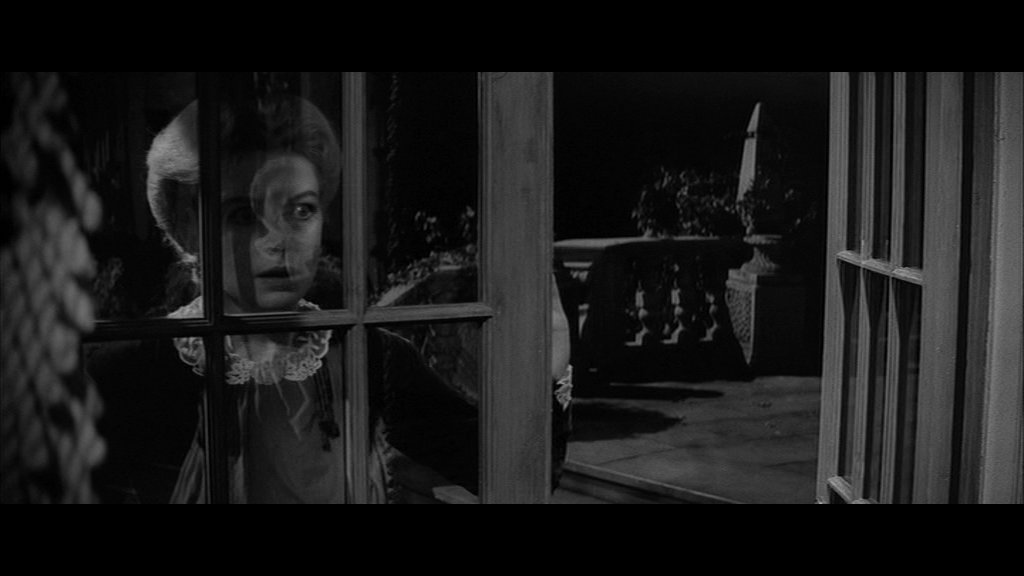
 The boy, Miles, talks with a kind of smug experience and takes glee in insouciantly manipulating Miss Giddens’ concern for him. The sense that he may house the spirit of an older man comes to a head in a scene where he kisses her goodnight full on the mouth, stunning her into holding the position for a few seconds before drawing away.
 Jon Bates Writes